Adobe
Summer 2026
Process & strategy


CONTEXT
Lead designer
11 weeks
Under NDA
TOOLS
Figma
Claude Code
Miro
SKILLS
Strategic Vision
AI Workflows
Systems Thinking
AI Prototyping
GATHERING INTEL
Not building in a vacuum
Grounding my ideas in real perspectives shaped the project's direction and helped build cross-functional alignment.
E2E platform audit
Audited the experience through two key user personas
Design sprint
Co-organized a team sprint and competitive landscape
User research
Led conversations with five internal users and teams
Share outs
Presented work to senior design leaders for critique and iteration
Alignment
Facilitated conversations across design, product, and AI research
IDENTIFYING THE PROBLEM
A fundamental gap in the workflow
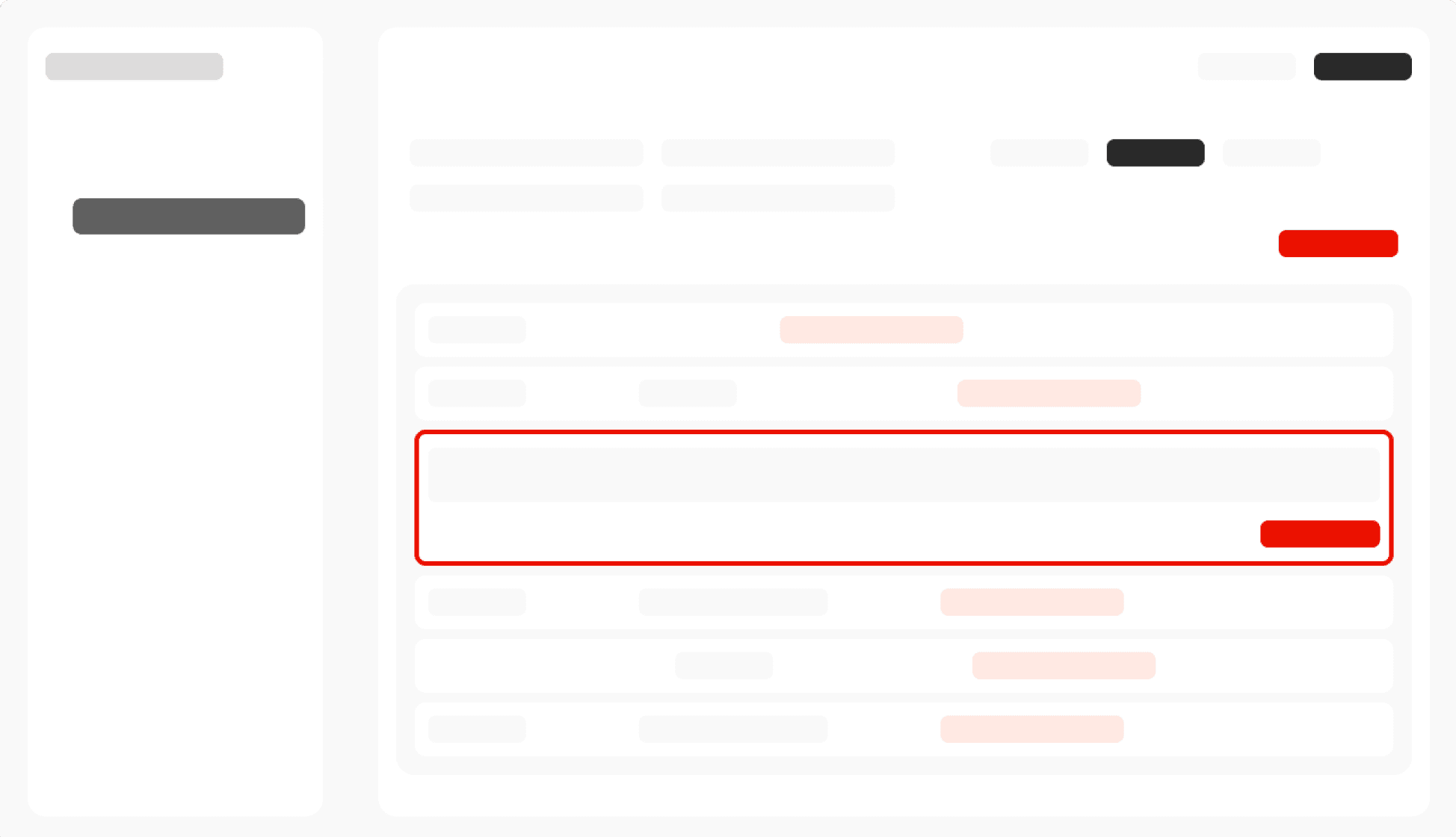
During my research, I focused on understanding what users valued and where AI could meaningfully reduce complexity during decision-making.
I realized that the existing platform required significant prompt engineering to bridge the gap between system outputs and user goals. Additionally, I found that users took real pride in their expertise when making important decisions.





REFRAMING THE ROLE OF AI
From prompt engineering to more natural AI workflows
Users were often solving a prompt-engineering problem just to get useful output. I explored a more natural interaction for people without coding or prompt-engineering backgrounds, shifting the focus toward user intent and away from prompt complexity.
LLM PROMPT
Through multiple iterations, I explored how AI could better respond to user direction while maintaining human oversight. The work ultimately became an exploration of how AI could make expertise-driven decision-making more structured and consistent.

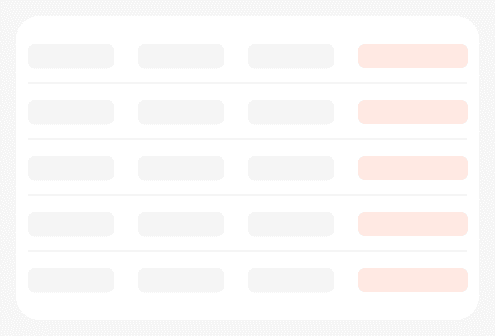
Easy build-ability but difficult to scan
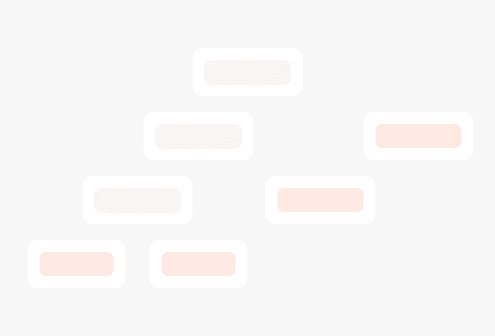
Easy to trace but technically infeasible
Compact but non-intuitive and collapses logic

Compact but collapses logic
EXPLORING THE SYSTEM ARCHITECTURE
Designing the system, not just the interface
Because the product already had an established design system, my focus was less on visual styling and more on information architecture (IA) and interaction models. Furthermore, the complexity of the problem required thinking beyond individual screens. I mapped end-to-end workflows and explored how different parts of the experience could work together as a system.
Existing IA

Vision IA


AI PROTOTYPING & ALIGNMENT
Translating concepts to concrete experiences
I explored several design principles when designing these AI-powered workflows:
Human-AI Collaboration
Design interactions that help people work proactively with AI while preserving human judgment.
Transparency & Governability
Make both AI insights and human decisions traceable and give users meaningful control over automation.
Connected Ecosystem
Explore how related workflows could work together across the broader Acrobat ecosystem.
AI prototyping helped me distill a complex system into an “aha” moments that aligned PMs and senior design leadership around the opportunity. I then translated that concept into fully fleshed-out product flows in Figma, totaling 40+ screens.
Validating technical feasibility
Even within a vision project, I grounded my concepts in real technical and organizational constraints. I partnered with engineers, AI Research, PMs, and senior design leadership to pressure-test feasibility, including discussions around an infinite canvas and the security implications of integrating AI-generated knowledge across workflows.
The validation confirmed the core interaction model was technically viable and surfaced critical considerations early, helping turn a speculative vision into a direction the broader team could meaningfully engage with.





Impact
My work generated strong engagement across many teams at Adobe. Some notable achievements:
AI had a limited role in the existing platform. I introduced a new place for AI as a curator of users’ decision-making workflows, helping users define and maintain knowledge across their work.
I developed a new IA that reframed the purpose of the platform while building on its existing objects and mental models. Senior leaders saw the model as an opportunity to make the product more “sticky,” with potential implications for both adoption and acquisition.
I identified alignment between my concepts and emerging product directions, creating a tangible prototype that resonated strongly with the PM team and became a reference point for future discussions. My work also helped bridge Product and AI Research and sparked new conversations around collaboration opportunities.
Kind words
Christine operates comfortably at both altitude levels: she can zoom out to see how a design decision fits into the broader product system, and zoom in to get the details of an interaction or flow right. This dual capability is unusual for an intern and is typically something we look for in more senior designers…Christine is articulate and has a real gift for narrative — she can take a body of design work and shape it into a story that sparks imagination in the room"
Design group manager
In a short amount of time, Christine jumped into a very complex problem space and brought to life concepts and prototypes for a [concept] that would allow users to connect more of their high-value workflows in [the product]."
Mentor & teammate
That was so comprehensive, amazing, really good storytelling. Your whole presentation was phenomenal...A lot of what you're stepping into has the foundation to be truly agentic in a way that I would argue we have not done...”
VP of Design
[The vision concept] could be the future next foundational layer of the product...Thank you for bringing creativity and passion to this assignment."
PM Director
Reflection
Set up that meeting.
Through cold outreach to teams outside my immediate group, I opened up connections with AI Research and Product that hadn't been explored, or had gone stale for months. It showed me how much momentum comes from connecting the right people and ideas.
Start with the user flow.
The strongest ideas emerged from understanding workflows and pain points. The audit and research shaped the vision far more than any initial concept. My in-depth data flows I’ve done in science and flowcharts came into use here!
Design for AI, not around AI.
AI works best when it helps people focus on outcomes rather than manage complexity. I also learned that AI prototyping and Figma aren’t alternatives: AI helped me rapidly explore and communicate ideas, while Figma helped turn them into coherent experiences.
Life @ Adobe
I'm endlessly grateful for an unforgettable summer. I met an incredibly talented group of peers at Adobe and design meetups (including Config!) More than anything, I'll remember the people who challenged my thinking and the conversations that shaped my work.

Me and my friends on the front page of Inside Adobe!

The design interns + managers!

Brookies!

May cohort design squad!
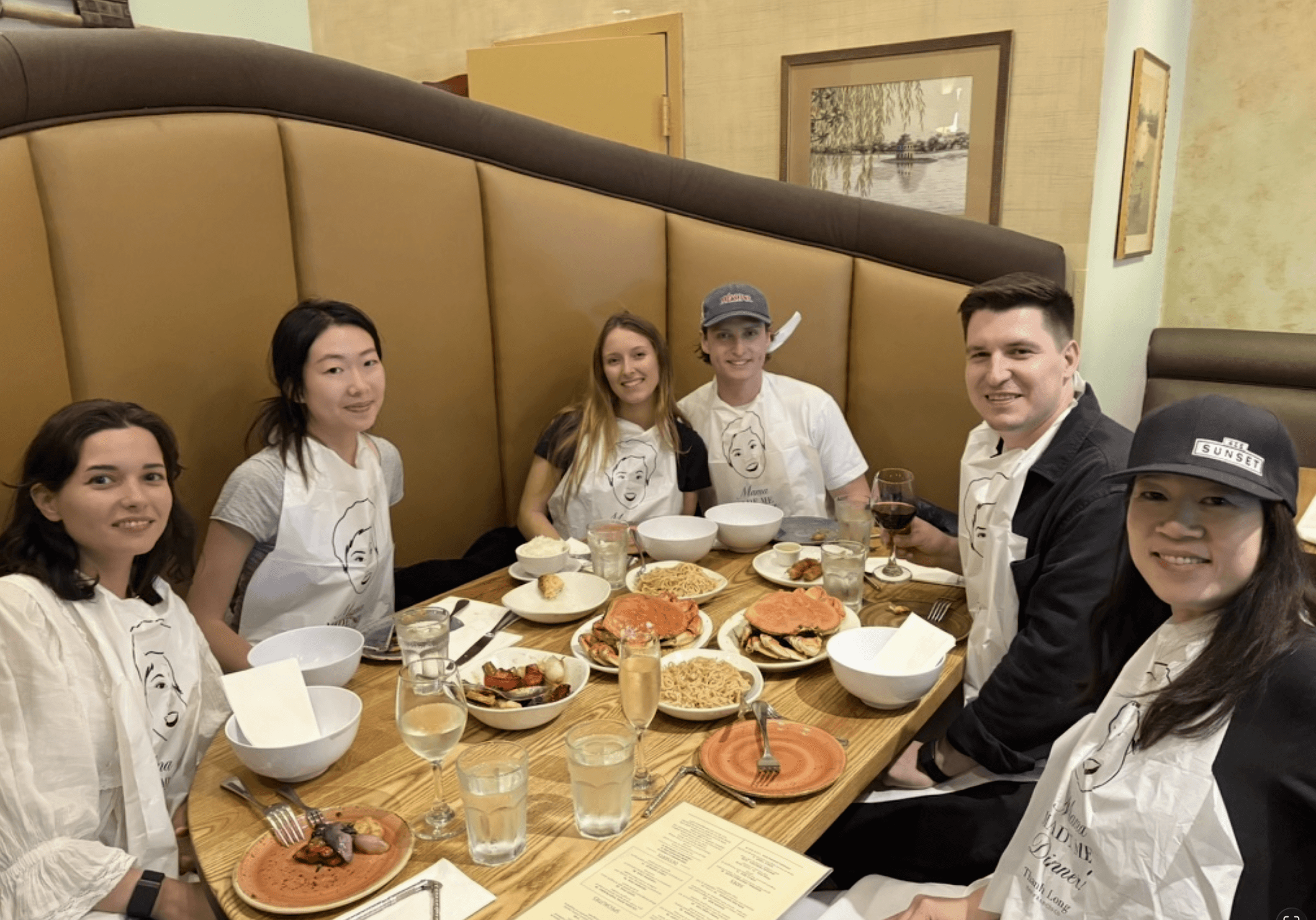
My team with two delicious Dungeness crabs!
© 2026 Xinyi Christine Zhang